
Walking into a Sydney pub or social club on a slow arvo, you might spot a terminal humming away in the corner while the dartboard gathers dust. That quiet setup is exactly why a casino shared device warning matters more than most punters realise. You want a fair go, but a screen that sees dozens of hands a week can carry leftover session data, cached payment prompts, or login quirks that spoil your night. Treat every shared terminal like a borrowed tool: check the basics, clear your traces, and never assume the machine remembers you kindly.
Reading the Screen Before You Sit Down
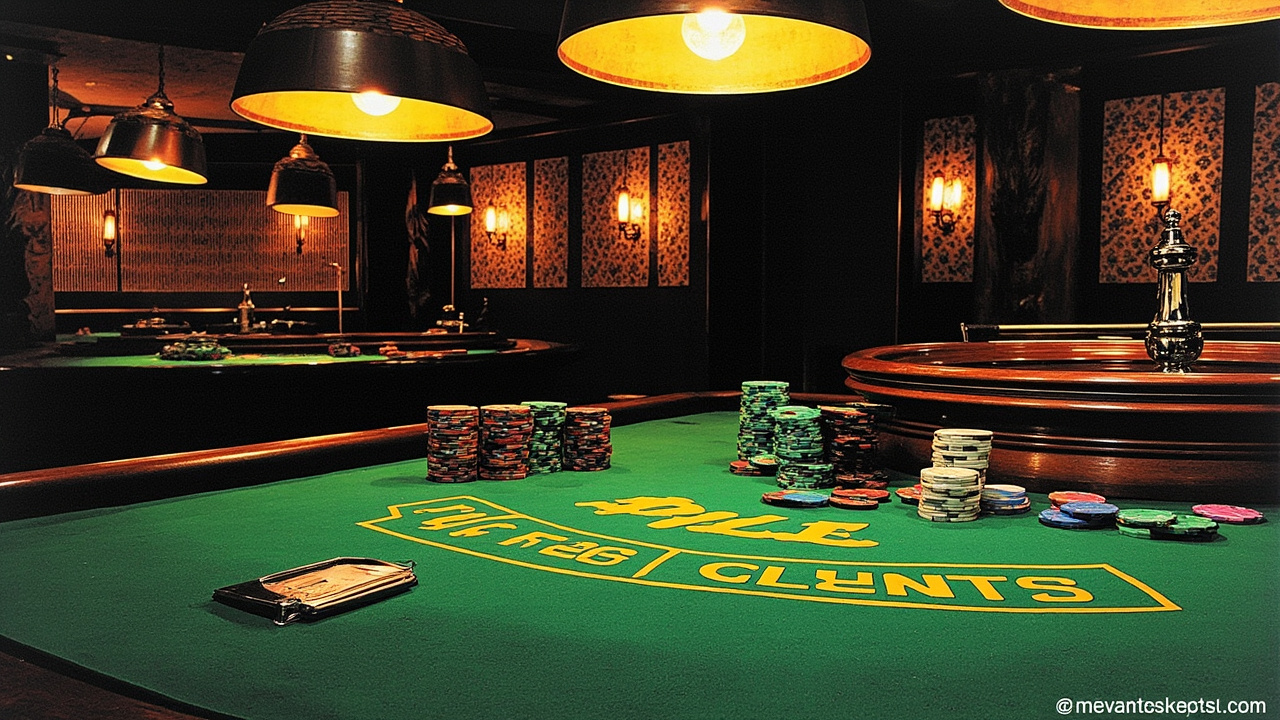
A proper casino shared device warning starts with the machine itself, not the brochure. Look for the operator stamp, the current licence number on the footer, and a fresh session reset between players. If the screen still shows a previous nickname, a half-filled bet slip, or a cached wallet prompt, step back and flag it to bar staff rather than forcing your details into someone else’s leftover session. In Sydney venues, you’ll often find a laminated notice near the terminal reminding patrons to log out and wipe the keypad – read it, because it usually spells out the exact reset sequence the venue uses. A clean start is the difference between a straightforward spin and a messy handover that leaves your session hanging. When the device prompts you to confirm a new session rather than resume an old one, you’re looking at a setup that respects the next player.
If any of those indicators are missing or look outdated, you should treat the terminal as unverified and step away. Cross-checking the venue’s compliance status through a trusted resource like joefortune bonus codes adds an extra layer of security before you commit any funds. Sticking to these physical and digital checkpoints keeps your play transparent and your sessions properly tracked.
How the Platform Handles Shared Use
Casino shared device warning isn’t just a notice on the wall; it’s built into how the platform treats every login on a communal terminal. The system flags a fresh device handshake each time a player taps in, so a previous punters’ cached preferences don’t bleed into your lobby. That matters on quiet nights when the venue is running a members’ badge draw jackpot to lure club patrons who otherwise would head home. The draw pops up as a separate prompt rather than a buried banner, and the terminal won’t carry over another player’s bonus balance or loyalty points. You still need to sign out properly, but the underlying flow is designed so a shared screen never hands you someone else’s active session. That’s the kind of everyday usability that keeps a busy social club from turning a communal terminal into a privacy headache.
| Checkpoint | What to look for | Quick action |
|---|---|---|
| Session reset | Fresh login prompt, no prior nickname or bet slip | Tap “new session” before entering details |
| Operator details | Current licence number and venue stamp on the footer | Confirm it matches the club’s public signage |
| Cache prompts | No leftover wallet or bonus pop-ups | Log out fully and let the screen return to the lobby |
| Draw notices | Members’ badge draw appears as its own prompt | Read the terms on-screen before entering |
Expert Eyes on Shared-Terminal Risk
Henry Parker, Chief Financial Officer, Blue Mountains Interactive, puts it plainly: a shared terminal is only as clean as the venue’s reset routine, so punters should treat any machine that skips a fresh session prompt as a red flag rather than a minor glitch. Adam Edwards, Lead Gaming Analyst, Yarra Gaming Lab, adds that the real risk isn’t the hardware itself but the handover gap – a screen that carries cached payment prompts or an active loyalty login can confuse a new player into tapping the wrong flow. Both views line up with what you’d expect from a platform that treats a casino shared device warning as a working habit, not a one-off notice. If the terminal asks you to confirm a new session and clears previous prompts before you enter your details, you’re looking at a setup that respects the next player. If it doesn’t, walk away and let the staff sort it out.
Keeping Your Session Clean on a Busy Night
A good casino shared device warning is only useful if you actually follow it, and that means building a quick routine before you tap in. Start by confirming the screen is on the lobby, not a leftover bet slip, then check that the logout button is visible rather than buried behind a stacked menu. If you’re playing on a shared terminal during a packed Saturday session, give the keypad a quick wipe and avoid saving any payment details to the device itself. The platform’s everyday flow is built around short, self-contained sessions, so you shouldn’t need to leave a trail of cached preferences for the next patron. When the venue runs a members’ badge draw on a quiet night, treat the draw prompt as a separate step rather than part of your main login, and never assume the terminal will carry your entry forward if you step away. A clean exit is just as important as a clean start, and it keeps the next player from inheriting your session quirks.

Have you ever had a shared terminal throw a surprise your way, or found a venue that handles the handover properly? Drop your experience in the comments, send this to a mate who plays at the local club, and let us know which Sydney spots get the reset routine right.